
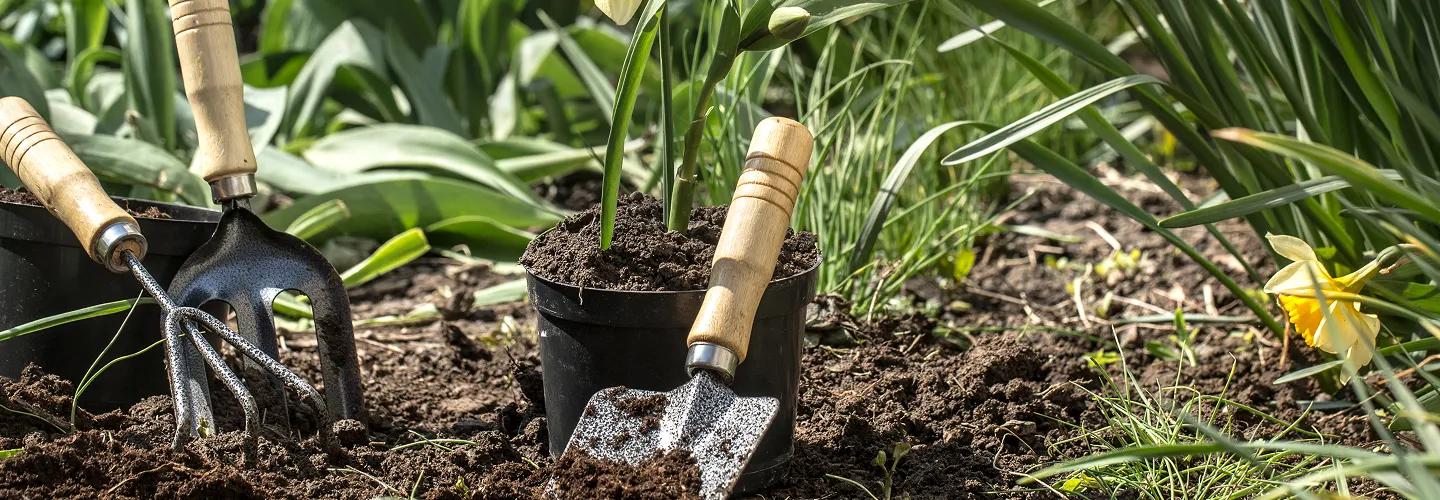
Buena Vista Plant Removal Services
Choose our plant removal services for safe, thorough, and environmentally responsible solutions that restore your landscape’s beauty and health—handled by experienced professionals you can trust.
Get a Free QuoteOur Buena Vista Landscaping & Yard Care Services
When to Schedule Plant Removal in Buena Vista, Georgia – Seasonal Guide
In Buena Vista, Georgia, the best time for plant removal is typically late winter through early spring, just before new growth begins. This period takes advantage of cooler temperatures and lower humidity, which help minimize plant stress and reduce the risk of spreading disease. The local climate, with its mild winters and hot, humid summers, means that scheduling removal before the peak growing season is ideal for both residential and commercial properties in neighborhoods like Magnolia Heights and near the Marion County Courthouse.
Environmental factors such as the region’s clay-heavy soils, variable rainfall, and the risk of late spring frosts should be considered when planning plant removal. Areas with dense shade, like those near the Chattahoochee Fall Line, may require different timing compared to sunnier, open lots. For more information on local regulations and best practices, consult the official municipal resources.
Local Factors to Consider for Plant Removal in Buena Vista
- Tree and shrub density in your yard
- Soil type and drainage, especially in low-lying areas
- Typical precipitation patterns and drought risk
- Frost dates and seasonal temperature swings
- Shade coverage from mature trees or nearby structures
- Municipal restrictions or permit requirements
- Proximity to landmarks such as the Buena Vista Historic District
Benefits of Plant Removal in Buena Vista

Improved Landscape Health
Enhanced Curb Appeal
Prevention of Pest Infestations
Increased Usable Space
Reduced Maintenance Costs
Professional and Efficient Service
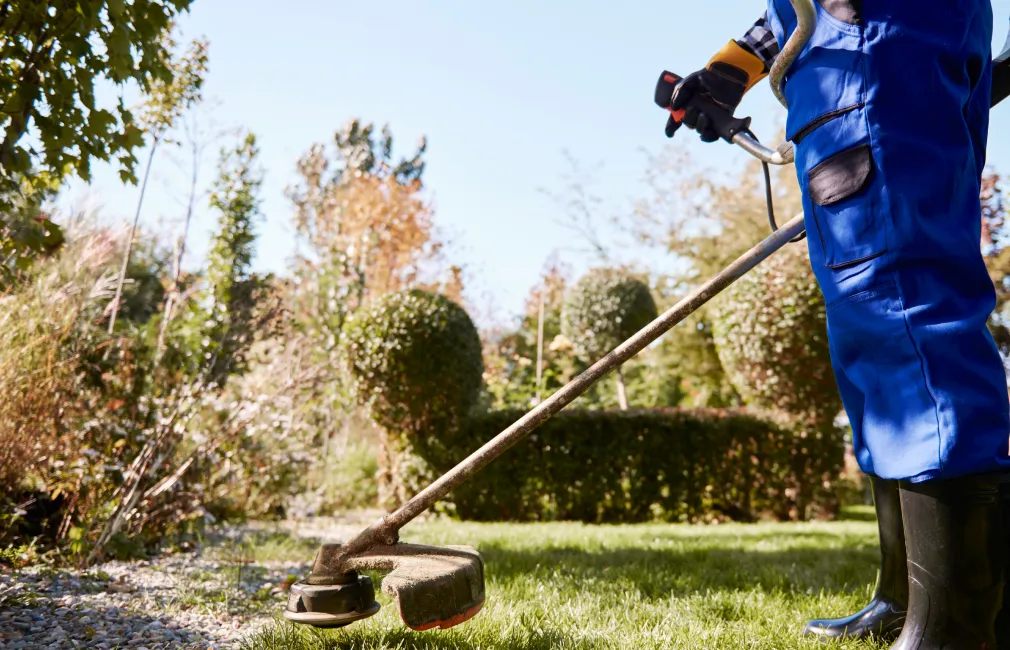
Buena Vista Plant Removal Types

Tree Removal
-
Shrub Removal
-
Stump Grinding
-
Invasive Species Removal
-
Root System Extraction
-
Hedge Clearing
-
Overgrown Vegetation Clearing
Our Plant Removal Process
Site Evaluation
Preparation and Safety Measures
Plant Extraction
Debris Removal
Site Restoration
Why Choose Buena Vista Landscape Services

-
Buena Vista Homeowners Trust Us
-
Expert Lawn Maintenance
-
Reliable Scheduling
-
Competitive Pricing
-
Professional Team
-
Satisfaction Guarantee
-
Personalized Service
Identifying Invasive and Nuisance Plants Common to Buena Vista's Coastal Plain Landscape
Buena Vista sits in Georgia's upper Coastal Plain region within USDA Hardiness Zone 8b, where warm temperatures and a long growing season—typically March through November—allow aggressive plant species to establish rapidly. Property owners should be aware of several invasive species that frequently require professional removal in Marion County:
- Kudzu (Pueraria montana): capable of growing up to one foot per day in summer, smothering native trees and structures
- Chinese privet (Ligustrum sinense): colonizes fence lines, drainage ditches, and woodland edges throughout the city
- Japanese honeysuckle (Lonicera japonica): spreads along property boundaries and into wooded corridors near Buena Vista Creek
- Cogongrass (Imperata cylindrica): a federally listed noxious weed increasingly found in disturbed soils across southwest Georgia
The UGA Cooperative Extension and UGA Extension - Invasive Species program provide identification guides and management recommendations specific to Georgia's Coastal Plain. Accurate identification before removal is essential, as treatment methods and disposal requirements differ by species.
How Buena Vista's Sandy Loam Soils Affect Root Extraction and Site Restoration
Marion County soils are predominantly mapped within the Orangeburg, Faceville, and Tifton series according to the USDA Web Soil Survey. These sandy loam and loamy sand soils present specific challenges during plant removal operations:
- Loose root zone: sandy textures allow roots to extend laterally, making complete extraction of species like privet and wax myrtle more labor-intensive
- Erosion vulnerability: once plant material and root mass are removed, exposed sandy soils erode quickly during rainfall events, particularly on slopes exceeding 5%
- Low organic matter: typical soil pH ranges from 5.0 to 6.0, and organic content is often below 2%, meaning disturbed sites recover slowly without amendment
- Rapid drainage: post-removal bare soil dries quickly, complicating revegetation efforts during Buena Vista's hot summer months (June–August average highs near 93°F)
Property owners should plan for immediate stabilization after removal. Applying 2–3 inches of pine straw mulch and seeding with a native warm-season cover such as bahiagrass or centipedegrass within 48 hours of extraction helps prevent sediment loss into nearby drainage ditches and stormwater conveyances.
Coordinating Plant Debris Disposal Through Buena Vista's Public Works Department
Plant removal projects generate significant volumes of green waste—root balls, stems, vines, and brush—that must be disposed of in compliance with local regulations. The City of Buena Vista Public Works Department oversees infrastructure maintenance and can provide guidance on current yard debris collection schedules and acceptable placement practices. Property owners and contractors should observe the following general procedures:
- Bundling: cut brush and stems should be bundled in lengths not exceeding four feet and placed at the curb or right-of-way edge
- Separation: root balls with attached soil should be separated from clean vegetative debris, as soil-laden material may require different handling
- Prohibited materials: do not place plant debris near storm drain inlets, drainage ditches, or within public right-of-way travel lanes
- Invasive species: material from confirmed invasive plants such as kudzu or cogongrass should not be composted on-site; bag or contain this material to prevent re-establishment
Verify current collection days and any volume limitations directly with the department. The Marion County Code of Ordinances may also contain provisions regarding nuisance vegetation and property maintenance standards that apply within city limits.
City of Buena Vista Public Works Department
100 West Third Street, Buena Vista, GA 31803
Phone: (229) 649-6418
Official Website: City of Buena Vista Public Works Department
Protecting Buena Vista Creek and Local Drainage Corridors During Removal Operations
Buena Vista Creek and its associated drainage channels flow through portions of the city, and plant removal work conducted near these waterways requires careful environmental precautions. The Georgia EPD Watershed Protection Branch administers water quality standards that apply to land-disturbing activities statewide, and the Clean Water Act establishes federal protections for waters of the United States. Practical steps for plant removal near water features include:
- Buffer maintenance: avoid mechanized clearing within 25 feet of any creek bank, pond edge, or defined drainage channel unless specifically authorized
- Sediment control: install silt fencing or straw wattles downslope of removal areas before work begins to prevent soil and debris from entering waterways
- Herbicide restrictions: if chemical treatment is part of the removal plan, only aquatic-labeled herbicides may be used near water; applicators must hold appropriate Georgia pesticide licensing through the Georgia Department of Agriculture
- Timing: schedule removal during dry periods when possible—typically late September through November in Buena Vista—to minimize runoff risk
Failure to control sediment discharge can result in violations under Georgia's water quality standards and federal NPDES stormwater regulations.
Zoning Review and Property Compliance for Large-Scale Plant Removal in Buena Vista
Certain plant removal projects—particularly those involving extensive clearing, grading, or land disturbance—may trigger review through the City of Buena Vista Zoning Department. This is especially relevant for properties undergoing redevelopment, lot preparation, or conversion from wooded or overgrown parcels to maintained landscape. Property owners should consider the following:
- Land disturbance thresholds: Georgia requires a Land Disturbance Permit for projects disturbing one acre or more; smaller projects within city limits may still require local review depending on proximity to drainage features or public infrastructure
- Setback and frontage requirements: removal of vegetation within front setback areas or along public right-of-way frontage may be subject to zoning standards governing sight lines and property appearance
- Nuisance vegetation: the Marion County Code of Ordinances may define height or density thresholds for overgrown vegetation that constitutes a code violation, making removal not only advisable but potentially required
Contact the Zoning Department before beginning large-scale clearing to confirm whether site plan review, erosion control plans, or other documentation is needed.
City of Buena Vista Zoning Department
100 West Third Street, Buena Vista, GA 31803
Phone: (229) 649-6418
Official Website: City of Buena Vista Zoning Department
What Neighborhoods Do We Serve Throughout Buena Vista, GA?
- Downtown Buena Vista: Older residential lots along and near Main Street often feature mature privet hedges, overgrown foundation plantings, and volunteer trees requiring careful removal around historic structures and narrow setbacks.
- West Third Street Corridor: Properties in this area near municipal buildings may have compacted soils from decades of development, with invasive vines and shrubs encroaching along fence lines and drainage swales.
- Highway 41 South Residential Areas: Larger lots along the southern approach to the city frequently border wooded edges where kudzu, honeysuckle, and wild grape vines require periodic clearing to prevent encroachment onto maintained turf and structures.
- Buena Vista Creek Vicinity: Properties adjacent to the creek corridor face unique challenges including wetland-edge vegetation, erosion-prone banks, and environmental buffer considerations that affect removal methods and timing.
- Marion County Estates and Rural-Edge Properties: Parcels on the city's outskirts often include mixed pine-hardwood understory with dense privet and wax myrtle stands, requiring coordinated removal and site stabilization on sandy Coastal Plain soils.
- North Buena Vista Residential Streets: Established neighborhoods north of the downtown core feature moderate lot sizes with mature shade trees, where understory plant removal must account for root zone protection and canopy preservation.